


Introduction
Starting Heartopia feels exciting for almost everyone. The world is colorful, the activities are relaxing, and the game quickly gives you access to gathering, crafting, home design, exploration, and social-style progression. But this early freedom also creates one major problem for new players: it becomes very easy to play a lot while progressing very little.
That is the real “new player issue” in Heartopia. Most beginners do not fail because the game is hard. They fall behind because they do not understand which systems matter first, which resources should be protected, and which activities are worth delaying. As a result, many new players decorate too early, spend too many materials on low-impact crafting, ignore daily structure, and hit the mid-game feeling underpowered and disorganized.
This guide is not a generic beginner overview. It is a deep new player progression article focused on what actually helps a fresh Heartopia account grow efficiently. If you are new and want to avoid wasted time, wasted resources, and early frustration, this is the roadmap you should follow from your first login onward.
Why Heartopia feels easy at first but punishes new players later
One of the smartest things Heartopia does is make the first few hours feel light and welcoming. You can move around freely, interact with many systems quickly, and begin customizing your space almost immediately. For a new player, this creates a very strong first impression: the game seems forgiving enough that you can just do whatever you want.
And technically, you can. But Heartopia quietly tracks your efficiency through materials, unlocks, upgrade pacing, and system familiarity. That means while the game does not openly punish you for poor decisions, it absolutely slows your future progress if you spend your early days inefficiently.
Why new players get trapped so easily
The early game gives emotional rewards faster than strategic rewards. Decorating a room feels instantly satisfying. Crafting cute furniture feels more fun than gathering 60 extra basic materials. Wandering around aimlessly feels cozy. But those actions often delay the systems that would actually make your account stronger.
What Heartopia really rewards
- Consistent gathering
- Smart material storage
- Unlock-first progression
- Utility upgrades
- Stable routines
- Controlled spending
This is why some new players feel “lucky” and others feel stuck. In reality, the difference is usually not luck. It is whether they built a useful account foundation early.
Your first login should be about understanding systems, not collecting everything
The biggest mistake many new players make in Heartopia is trying to interact with everything immediately. They gather random materials, craft whatever looks available, explore without purpose, and start chasing too many goals at once.
That creates a messy account very quickly.
Your first login sessions should not be about “doing as much as possible.” They should be about understanding how the game is structured. In Heartopia, the players who grow fastest are usually the ones who identify the game’s progression backbone early.
The first things every new player should understand
- Which quests unlock important systems
- Which resources are common but always needed
- Which crafting stations matter first
- Which activities reset daily
- Which items are safe to sell and which are not
The correct beginner mindset
Instead of asking:
“What can I do right now?”
Ask:
“What helps my account do more tomorrow?”
That one shift changes how you play. It helps you avoid wasting effort on short-term fun that creates long-term friction. Heartopia is much smoother when you begin with structure rather than impulse.
What new players should prioritize in the first 1–3 days
The first three days are the most important setup period in Heartopia. This is when your account begins forming its habits, bottlenecks, and rhythm. If you use this window well, the game becomes easier and more rewarding very quickly.
Your goal during this stage is simple: unlock, gather, and stabilize.
What to focus on first
Core progression
- Main quests
- System unlocks
- Tool access
- Basic map understanding
Essential economy
- Gathering large amounts of common materials
- Saving instead of overspending
- Learning which items feed multiple recipes
Practical setup
- Storage organization
- Functional station placement
- Building your first repeatable daily loop
The reason this matters is because Heartopia progression is not won by huge rare breakthroughs. It is won by small systems stacking correctly.
What new players should avoid in the first 3 days
- Full house decoration projects
- Crafting large furniture sets
- Selling too many basic materials
- Spending rare currency casually
- Ignoring daily or timed systems
A beginner account does not need to look impressive yet. It needs to become stable.
The materials every new player wastes too early
If there is one thing almost every Heartopia beginner regrets later, it is this: using important materials too casually. The game gives you enough early resources to feel comfortable, but not enough to support bad habits for long.
That means many new players accidentally burn through the exact materials they will soon need for progression.
Why beginners misread resource value
New players often assume rare-looking materials are the most important, while common materials are easy to replace. In many cases, the opposite becomes true. The “boring” materials are often used in huge quantities for tools, stations, upgrades, requests, and crafting chains.
Materials new players should protect
- Basic wood or fiber equivalents
- Ore and processing ingredients
- Utility crafting components
- Upgrade-linked resources
- Multi-use materials needed across different recipes
A smart beginner resource rule
Before crafting or selling anything, ask:
1. Is this used for progression?
If yes, save more of it.
2. Is this annoying to farm in bulk?
If yes, protect it early.
3. Is this part of multiple crafting chains?
If yes, never let your stock hit zero.
This habit alone can save a new player from several days of unnecessary slowdown.
How new players should use daily resets and limited-time systems
One of the most important things new Heartopia players often ignore is that not all game time has equal value. Some systems are permanent and can be done anytime. Others are tied to daily resets, limited rewards, or timed opportunities.
The sooner a new player understands this, the faster they will progress.
Why this matters
If you spend your first 40 minutes decorating or wandering, then realize you forgot your daily reward systems, you may have already lost the most efficient part of your session.
Heartopia rewards routine much more than random long grinding sessions.
The best beginner daily order
Start with reset-based value
- Daily tasks
- Check-ins
- Event objectives
- Limited reward interactions
Then do practical account work
- Gather your current bottleneck material
- Process what you already farmed
- Queue useful crafting
- Organize storage
Then use extra time for fun
- Decorating
- Side crafting
- Exploration
- Personal home projects
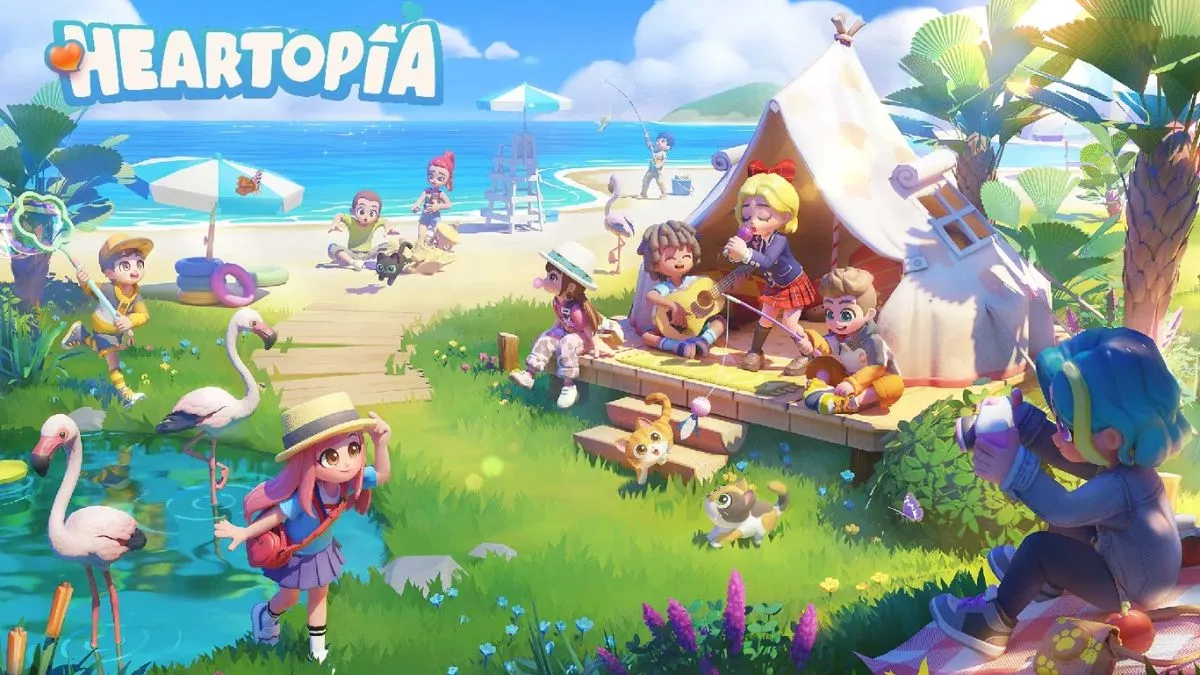
New players often think this kind of structure makes the game less relaxing. In reality, it does the opposite. Once your high-value tasks are done first, the rest of your session feels far more enjoyable and guilt-free.
Why new players decorate too early and regret it later
Heartopia is designed to tempt new players into early decoration. That is not a flaw—it is part of the charm. But it is also one of the biggest reasons new accounts become resource-poor and inefficient before they even realize what happened.
The emotional trap is simple: decorating feels like progress because it visibly changes your space. But in Heartopia, visible change is not always meaningful progression.
What early decoration usually costs
- Wood
- Fabric or crafted parts
- Utility resources
- Time that could have been spent unlocking systems
- Materials needed for stations or upgrades
This is why many new players suddenly hit a wall and wonder why they cannot move forward smoothly.
The best beginner decoration strategy
Phase 1: Functional setup
Only place what improves movement, access, and organization.
Phase 2: Small aesthetic zone
Decorate one corner, one room, or one themed area.
Phase 3: Full creativity
Only after your economy and upgrades are stable.
This approach does not kill creativity. It protects it. Because when you decorate later with a stronger account, you will have more options, more freedom, and much less regret.
The smartest way for a new player to make money and stay stable
A lot of new players in Heartopia make one major economy mistake: they try to make money by selling whatever they have the most of. That feels logical, but it often damages progression because many of those materials are needed later.
A smarter beginner economy is based on controlled surplus, not desperation selling.
What new players should understand about money
The goal is not to become rich immediately. The goal is to create a stable loop where you can earn currency without weakening your account.
The best beginner money strategy
Step 1: Keep a protected reserve
Never sell all of any important crafting material.
Step 2: Sell processed or excess value
Whenever possible, profit from what you can reproduce consistently.
Step 3: Build one reliable loop
For example:
- Gather
- Process
- Convert
- Sell the overflow
What makes a good beginner income loop
- Easy to repeat
- Uses accessible materials
- Does not depend on rare luck
- Supports progression while also earning money
New players should not chase “the best possible farm” too early. They should chase the most sustainable farm first.
How new players should organize their inventory before it becomes a problem
Inventory problems do not appear suddenly in Heartopia. They build slowly, then become annoying all at once. New players usually ignore organization until their bags and storage are already cluttered with mixed materials, old event items, half-useful components, and things they are too afraid to sell.
That is exactly when progression starts feeling messy.
Why inventory matters so much for beginners
If you do not know what you own, you cannot make efficient decisions. You will:
- overfarm
- oversell
- undercraft
- waste upgrade opportunities
The easiest beginner storage system
Sort everything into:
Core categories
- Upgrade items
- Crafting basics
- Refined materials
- Sellable overflow
- Event or special items
The beginner rule that prevents chaos
If an item is:
- hard to replace,
- used in progression,
- or needed in crafting chains,
then it should never be mixed with your “safe to sell” pile.
A clean inventory makes a new player feel smarter immediately, because every future choice becomes easier.
Which upgrades new players should get first and which ones can wait
New players often choose upgrades emotionally. They unlock what looks exciting, stylish, or rare instead of what actually improves the account’s efficiency.
That is one of the fastest ways to slow down.
The best upgrade question
Before investing, ask:
“Will this make every future session better?”
If yes, it is probably a high-value upgrade.
Best early upgrades for new players
Priority upgrades
- Better tools
- Gathering efficiency
- Storage or capacity expansion
- Core station improvement
- Utility-based quality-of-life upgrades
These upgrades improve almost every part of the game and give better long-term return than flashy side systems.
Upgrades beginners should delay
- Expensive cosmetic unlocks
- Highly specialized side features
- Systems you cannot fully support yet
- Things that look useful but do not improve your daily loop
A beginner should not try to become a “specialized player” too early. First become an efficient player. Specialization works much better once your foundation is strong.
How to survive your first mid-game wall as a new player
Every new Heartopia player eventually reaches the same moment: progress slows down. Upgrades become more expensive, materials feel harder to maintain, and the game starts demanding more structure than pure enthusiasm.
This is the first real test of whether your account was built well.
Signs you are hitting the wall
- You always seem to be missing one important material
- Your crafting queue feels permanently delayed
- Your upgrades require several sessions
- You feel busy but not stronger
- You start losing motivation
This phase is normal. It does not mean your account is ruined. It simply means the game is asking for a more disciplined approach.
What beginners should do here
1. Reduce your active goals
Too many goals create fake progress.
2. Choose one weekly focus
Examples:
- Tool week
- Storage week
- Economy week
- Home efficiency week
3. Keep one low-pressure fun project
This helps you stay engaged without draining progression.
A lot of players quit or drift away at this stage. But if you push through it with structure, Heartopia becomes much more satisfying afterward.
The best long-term mindset for every new Heartopia player
The strongest new players are not the ones who rush the fastest. They are the ones who build accounts that stay healthy over time.
That should be your real goal in Heartopia: not speed alone, but stability that creates freedom.
What a strong beginner account eventually becomes
- It has extra materials, not constant shortages
- It has routines, not daily confusion
- It can decorate without harming progression
- It can handle updates and events without panic
- It grows naturally instead of feeling forced
The four stages of a strong Heartopia account
Foundation
Tools, routes, storage, basic systems
Efficiency
Daily routine, farming loops, useful upgrades
Flexibility
Enough resources to explore optional content
Expression
Beautiful home design, creativity, personalization
Most struggling beginners try to jump directly to Expression. The best beginners build Foundation first, then everything else becomes easier and more enjoyable.
That is how you stop being “new” in Heartopia—not by time played, but by how stable your account becomes.
Conclusion
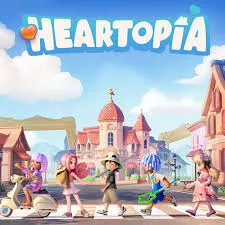
Heartopia is very welcoming to new players, but it also quietly rewards those who understand its systems early. If you begin without structure, it is easy to waste materials, lose momentum, and hit the mid-game feeling underprepared. But if you approach your first days with smart priorities, your entire experience becomes smoother.
The key is simple: focus on progression before aesthetics, protect your important materials, build routines early, and only expand into decoration and side systems once your account can support them.
That is the real beginner secret in Heartopia. New players do not need to grind harder. They need to build smarter.